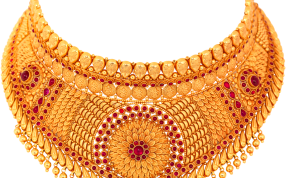


Sustainable Jewellery Making Headlines Across Markets is not just a trend; it’s a revolution shaping the way we perceive luxury and art. As consumers become increasingly aware of environmental and ethical issues, the jewellery industry is responding with innovative practices that blend beauty with responsibility. This evolving landscape invites us to explore how traditional craftsmanship is being reimagined through sustainable materials and ethical sourcing, making each piece not just an accessory, but a statement of values.
From recycled metals to ethically sourced gemstones, the sustainable jewellery movement is gaining traction across various markets, appealing to a growing demographic that prioritizes conscious consumerism. This shift is not only influencing design choices but also redefining brand narratives, encouraging transparency and authenticity in an industry long plagued by environmental concerns.

In today’s fast-paced world, the significance of mental health is more prominent than ever. With the increasing awareness about mental health issues, it has become essential to discuss various aspects that contribute to maintaining a healthy mind. This article aims to explore the importance of mental health, its relationship with overall well-being, and practical strategies for managing mental health in daily life.Mental health is defined as a state of well-being in which an individual realizes their potential, can cope with the normal stresses of life, can work productively, and is able to contribute to their community.
Unlike physical health, which can often be measured through tangible indicators like heart rate or cholesterol levels, mental health can be more elusive, encompassing emotional, psychological, and social well-being. It affects how we think, feel, and behave in our daily lives.Several factors can influence mental health, including genetics, brain chemistry, trauma, and life experiences. Additionally, environmental factors such as socio-economic status, family relationships, and community support also play significant roles in shaping mental health.
Understanding these factors can help individuals recognize the various influences on their mental well-being and take proactive steps towards improvement.The relationship between mental health and physical health is profound. Poor mental health can lead to a variety of physical health problems, and vice versa. For instance, conditions such as depression and anxiety can manifest in physical symptoms, including fatigue, headaches, and digestive issues.
Conversely, chronic physical health problems can contribute to mental health struggles, creating a cyclical pattern that can be difficult to break. Therefore, it is essential to approach mental health from a holistic perspective, recognizing the interconnectedness of the mind and body.One of the most effective ways to promote mental health is through self-care. Self-care refers to the practices and activities that individuals engage in to maintain their well-being.
These practices can vary widely from person to person, but they often include activities that promote relaxation, joy, and fulfillment. Some common self-care strategies include:
1. Regular Exercise
Physical activity has been consistently linked to improved mental health. Exercise releases endorphins, which are chemicals in the brain that act as natural painkillers and mood elevators. Engaging in regular physical activity, whether through sports, walking, or yoga, can significantly boost one’s mood and reduce anxiety.

2. Healthy Eating
Nutrition plays a crucial role in mental well-being. A balanced diet rich in vitamins, minerals, and nutrients can contribute to better brain health. Foods such as fruits, vegetables, lean proteins, and whole grains can enhance mood and contribute to overall mental health. Additionally, staying hydrated is vital, as dehydration can negatively impact cognitive functions.
3. Adequate Sleep
Sleep is an often-overlooked component of mental health. Lack of sleep can lead to irritability, decreased cognitive function, and increased stress levels. Establishing a regular sleep routine, creating a comfortable sleeping environment, and avoiding screens before bedtime can help improve sleep quality.
4. Mindfulness and Meditation
Practicing mindfulness and meditation can help individuals become more aware of their thoughts and feelings, leading to greater emotional regulation. Mindfulness techniques encourage living in the moment and can reduce stress and anxiety levels. Regular meditation practice has been shown to improve overall mental health and increase feelings of well-being.
5. Social Connections
Building and maintaining healthy relationships is vital for mental health. Social connections provide emotional support, reduce feelings of isolation, and promote a sense of belonging. Engaging in community activities, spending time with family and friends, or even connecting with new people can enhance emotional well-being.
6. Seeking Professional Help
It’s essential to recognize when professional help is necessary. Mental health professionals, such as therapists and counselors, can provide valuable support and guidance. Therapy can help individuals cope with stress, process trauma, and develop healthy coping strategies. There’s no shame in seeking help; it’s a courageous step towards improving mental well-being.In addition to self-care strategies, creating a balanced lifestyle is crucial for maintaining mental health.
Balancing work, leisure, and personal time can help prevent burnout and promote overall well-being. Setting realistic goals and expectations, prioritizing tasks, and learning to say no can help individuals manage their time effectively, reducing stress levels.Moreover, engaging in hobbies and interests can provide a sense of purpose and accomplishment. Whether it’s painting, gardening, or playing a musical instrument, pursuing activities that bring joy can serve as a form of therapy, allowing individuals to express themselves creatively and relieve stress.Another important aspect of mental health is the concept of resilience.
Resilience refers to the ability to bounce back from adversity and cope with challenges. Building resilience involves developing problem-solving skills, fostering a positive mindset, and having a strong support system. Resilient individuals are better equipped to handle stress and navigate life’s ups and downs with greater ease.Education and awareness about mental health are also essential in combating stigma and misinformation.
Promoting open conversations about mental health can help individuals feel more comfortable discussing their struggles, leading to earlier intervention and support. Schools, workplaces, and communities can play a pivotal role in creating an environment that fosters mental health awareness and understanding.In conclusion, mental health is a vital aspect of our overall well-being. It influences how we think, feel, and act, affecting our ability to navigate daily life.
By prioritizing self-care, fostering social connections, and seeking professional help when necessary, individuals can take proactive steps towards maintaining a healthy mind. Additionally, promoting mental health awareness and education can help reduce stigma and encourage open discussions about mental well-being. Remember, it’s okay to ask for help, and taking care of your mental health is just as important as taking care of your physical health.
Embrace the journey towards better mental well-being and prioritize your mental health for a happier, more fulfilling life.
Question Bank: Sustainable Jewellery Making Headlines Across Markets
What are the main materials used in sustainable jewellery?
Sustainable jewellery typically uses recycled metals, ethically sourced gemstones, and alternative materials like lab-created diamonds or biodegradable elements.
How can consumers identify truly sustainable jewellery brands?
Look for certifications, transparent supply chains, and brands that openly communicate their sustainability practices and ethical sourcing policies.
Is sustainable jewellery more expensive than traditional jewellery?
While some sustainable pieces can be pricier due to the quality of materials and craftsmanship, many brands offer affordable options that align with eco-friendly values.
Can sustainable jewellery be fashionable?
Absolutely! Sustainable jewellery can be just as stylish and innovative as traditional pieces, often featuring unique designs that reflect the values of their makers.
What impact does sustainable jewellery have on the environment?
Sustainable jewellery aims to minimize environmental impact by reducing waste, conserving resources, and supporting ethical mining practices which can lead to better environmental stewardship.