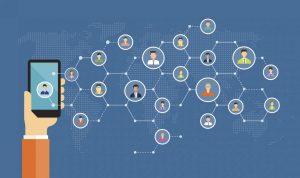


With Technology Headlines Defining the Viral Trends of 2025 at the forefront, we dive into the exciting world of technological advancements that are set to shape our future. From groundbreaking innovations to the latest trends, this exploration unveils how technology is not just evolving but revolutionizing everyday life. Prepare to witness the intersection of creativity and technology as we highlight key insights that will define the upcoming year.
The rapid pace of technological growth brings forth significant changes in various sectors, affecting how we communicate, work, and interact with the world around us. As we look ahead to 2025, understanding these trends is crucial for individuals and businesses alike, ensuring they remain relevant and informed in an ever-evolving landscape.

In the digital age, where information is readily accessible and the pace of life seems to accelerate, the importance of effective communication has never been more pronounced. Whether it’s through email, social media, or face-to-face interactions, the way we convey our messages can significantly impact our personal and professional relationships. In this article, we will delve into the art of communication, exploring its key components, techniques for improvement, and its role in various contexts.### The Fundamentals of CommunicationAt its core, communication is the process of exchanging information, ideas, thoughts, and feelings.
It encompasses a wide range of methods, including verbal, non-verbal, written, and visual forms. Effective communication is characterized by clarity, conciseness, and the ability to engage the audience. It involves not just delivering a message but ensuring that it is understood as intended.#### Key Components of Communication
1. Sender
The individual or entity that initiates the message.
2. Message
The information, idea, or thought that is being conveyed.
3. Channel
The medium used to transmit the message, such as spoken words, email, or social media.
4. Receiver
The individual or group for whom the message is intended.
5. Feedback
The response from the receiver that indicates whether the message was understood.Understanding these components is crucial for anyone looking to enhance their communication skills. Each element plays a vital role in ensuring that the message is effectively transmitted and received.### The Importance of Clarity and ConcisenessIn today’s fast-paced world, people are often bombarded with information. As such, it is essential to convey messages in a clear and concise manner.
Here are a few tips to achieve that:
Know Your Audience
Tailor your message based on who you are speaking to. Consider their background, interests, and level of understanding regarding the topic.

Be Direct
Avoid unnecessary jargon or complex language. Aim to get to the point quickly to maintain the audience’s attention.
Use Active Voice
Passive constructions can dilute the message. For example, instead of saying, “The report was completed by the team,” say, “The team completed the report.”
Limit Length
Strive for brevity without sacrificing the message’s essence. If possible, keep your communications to a few key points.### Enhancing Non-Verbal CommunicationWhile words are vital in communication, non-verbal cues often speak louder than spoken language. Body language, facial expressions, eye contact, and even the tone of voice can significantly influence how a message is perceived. Here are some non-verbal communication tips:
Maintain Eye Contact
This shows confidence and helps establish a connection with your audience.
Use Appropriate Gestures
Hand movements can emphasize points and help maintain engagement.
Adopt an Open Posture
Avoid crossing your arms or looking away, as these signals can indicate defensiveness or disinterest.
Pay Attention to Facial Expressions
Ensure that your expressions match the message you are trying to convey. A smile can complement a friendly greeting, while a frown may suggest disagreement.### The Role of Active ListeningEffective communication is a two-way street. Active listening is just as crucial as articulating your thoughts. It involves fully engaging with the speaker, understanding their message, and responding thoughtfully. Here’s how to practice active listening:
Give Full Attention
Minimize distractions. Put away your phone and focus on the speaker.
Show That You’re Listening
Nodding and using verbal affirmations like “I see” or “That makes sense” encourages the speaker.
Provide Feedback
Summarize or paraphrase what the speaker has said to confirm your understanding.
Defer Judgment
Withhold personal judgments until the speaker has finished. This creates a safe space for open dialogue.### Communication in Professional SettingsIn a professional context, effective communication can lead to better teamwork, increased productivity, and enhanced relationships. Here are some strategies for improving workplace communication:
Utilize Technology
Take advantage of collaborative tools like Slack, Microsoft Teams, or Zoom. These platforms facilitate instant communication and help keep team members connected, regardless of location.
Encourage Open Dialogue
Foster an environment where team members feel comfortable sharing ideas and feedback. This can be achieved through regular check-ins and brainstorming sessions.
Be Respectful of Time
In meetings, create an agenda and stick to it to ensure that everyone’s time is respected. Summarize key points and action items at the end.
Use Visual Aids
Charts, graphs, and slides can help clarify complex information and keep the audience engaged.### Communication in Personal RelationshipsEffective communication is equally important in personal relationships. It can strengthen bonds, resolve conflicts, and enhance understanding. Here are some tips for improving communication with friends, family, and partners:
Be Honest and Transparent
Share your thoughts and feelings openly. Honesty fosters trust and understanding.
Practice Empathy
Try to understand the other person’s perspective. This can reduce conflicts and promote harmony.
Choose the Right Time and Place
Sensitive topics should be addressed in private settings and when both parties are receptive.
Avoid Assumptions
Clarify any uncertainties to avoid misunderstandings. Asking questions can lead to greater clarity.### The Impact of Cultural DifferencesIn our increasingly globalized world, communication often occurs across cultural boundaries. Understanding cultural differences is essential to avoid miscommunication. Here are some considerations:
Be Aware of Language Nuances
Language barriers can lead to misunderstandings. Simplify your language and avoid idioms when speaking with someone from a different culture.
Respect Different Communication Styles
Some cultures may prioritize indirect communication, while others value directness. Adapt your style to suit the cultural context.
Educate Yourself
Take the time to learn about the cultural norms and values of those you interact with. This can enhance mutual respect and understanding.### ConclusionIn conclusion, effective communication is a vital skill that can enhance both personal and professional relationships. By understanding the key components of communication, practicing active listening, and being mindful of non-verbal cues, individuals can significantly improve their ability to convey messages clearly and effectively.
Moreover, recognizing the impact of cultural differences and adapting communication styles accordingly can pave the way for successful interactions in our diverse world.As we navigate the complexities of modern communication, let us strive to be clear, concise, and empathetic in our exchanges. By doing so, we not only improve our relationships but also contribute to a more connected and understanding society.
Remember, communication is not just about speaking; it’s about connecting.
General Inquiries: Technology Headlines Defining The Viral Trends Of 2025
What are the major technology trends expected in 2025?
Major trends include advancements in AI, IoT, 5G technology, and a focus on sustainability.
How can individuals prepare for these technological changes?
Individuals can stay informed, enhance their skills, and embrace lifelong learning to adapt to emerging technologies.
What industries will be most impacted by technology in 2025?
Industries such as healthcare, finance, and education are expected to see significant transformations due to technological advancements.
Are there any ethical concerns related to future technology trends?
Yes, concerns include data privacy, cybersecurity, and the ethical implications of AI and automation.
How can businesses leverage these technology trends?
Businesses can innovate their processes, enhance customer experiences, and improve efficiency by adopting the latest technology.