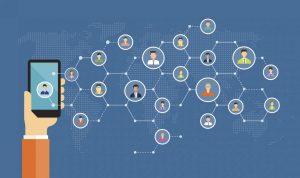


Technology That Became a Viral Symbol of Status captures the essence of how certain technological advancements have transcended their functional purpose to become markers of prestige and social standing. In today’s hyper-connected world, the gadgets and platforms we use can greatly influence our perceived status, reflecting not just personal tastes but also societal trends. From the latest smartphones to high-end gaming consoles, these items often serve as a window into our lifestyles, desires, and even our identities.
This phenomenon raises intriguing questions about the relationship between technology and social dynamics, as well as the implications of having such tools at our disposal. The allure of owning the latest device is not merely about functionality; it’s about being part of a community, a conversation, and a culture that values innovation and sophistication.

In today’s fast-paced world, the importance of effective communication cannot be overemphasized. Whether in a professional setting or personal interactions, the way we convey our thoughts can significantly impact relationships and outcomes. This article explores the nuances of communication, providing insights on how to enhance your skills, the different forms of communication, and the role of technology in modern interactions.
Understanding CommunicationAt its core, communication is the process of exchanging information. It involves a sender who conveys a message to a receiver through various channels, which can include spoken words, written text, non-verbal cues, or digital platforms. Effective communication requires clarity, understanding, and engagement from both parties involved. The Importance of Effective Communication
1. Building Relationships
Strong communication fosters trust and respect. When individuals express their thoughts and feelings openly, it lays the groundwork for deeper connections. This is particularly vital in both personal and professional relationships where misunderstandings can lead to conflicts.
2. Facilitating Collaboration
In a workplace setting, effective communication enhances teamwork. When team members share ideas and provide constructive feedback, it leads to more innovative solutions and improved productivity. Clear communication helps in setting expectations and aligning goals among team members.
3. Conflict Resolution
Miscommunication often leads to conflicts. By communicating effectively, individuals can address misunderstandings before they escalate. This involves active listening, empathy, and a willingness to understand different perspectives.
4. Enhancing Personal Skills
Good communication is also a key component of personal development. It allows individuals to express their needs, make requests, and assert their opinions confidently. This can lead to greater self-esteem and improved interpersonal skills. Forms of CommunicationUnderstanding the different forms of communication is essential for mastering the art. Here are the primary types:
1. Verbal Communication
This includes both spoken and written forms. It is the most direct way to convey a message. In verbal communication, tone, pitch, and pace play crucial roles in how the message is received. For instance, a calm tone can convey reassurance, while a loud voice may imply urgency or anger.
2. Non-Verbal Communication
Often underestimated, non-verbal cues such as facial expressions, body language, and gestures can convey as much, if not more, than words. For instance, crossed arms might suggest defensiveness, while eye contact can indicate interest and engagement.
3. Visual Communication
This form utilizes visual aids such as graphs, charts, and images to convey information. In the age of information overload, visual communication has gained prominence as it can simplify complex data and make it more digestible.
4. Digital Communication
With the rise of technology, digital communication has become a significant aspect of our interactions. This includes emails, social media, and messaging apps. While it offers convenience, it can sometimes lead to misinterpretation due to the lack of non-verbal cues. Barriers to Effective CommunicationSeveral barriers can hinder effective communication. Awareness of these obstacles is the first step towards overcoming them:
1. Physical Barriers
These include environmental factors such as noise, distance, or interruptions that can impede the flow of communication. For instance, a noisy office can disrupt conversations and lead to misunderstandings.
2. Psychological Barriers
Emotions such as anger, anxiety, or mistrust can affect how messages are perceived. When individuals are stressed, they may misinterpret messages or respond defensively.
3. Language Barriers
Differences in language or jargon can create confusion. It’s essential to consider the audience’s background and adjust language accordingly to ensure clarity.
4. Cultural Differences
Different cultures have varying norms regarding communication styles, body language, and social cues. Being culturally aware can enhance interactions and prevent unintentional offense. Improving Communication SkillsHere are some strategies to enhance your communication skills:
1. Active Listening
This involves fully concentrating on the speaker, understanding their message, and responding thoughtfully. Active listening fosters a more meaningful exchange and shows respect for the speaker’s thoughts.
2. Clarity and Conciseness
Aim to express your thoughts clearly and concisely. Avoid jargon or overly complex language, as this can lead to confusion. Simple, straightforward language is often more effective.
3. Empathy
Understanding the feelings and perspectives of others can greatly improve communication. By putting yourself in someone else’s shoes, you can respond more thoughtfully and engage in more meaningful discussions.
4. Non-Verbal Awareness
Pay attention to your body language and facial expressions. Ensure they align with your verbal message to avoid mixed signals. Similarly, observe the non-verbal cues of others to gauge their reactions.
5. Feedback
Encourage feedback during conversations. This can help clarify misunderstandings and improve future interactions. Asking questions can also invite further discussion and demonstrate genuine interest. The Role of Technology in CommunicationTechnology has revolutionized the way we communicate. While it offers numerous advantages, it also presents some challenges:
1. Instant Communication
With the rise of smartphones and messaging apps, communication has become instant. This convenience allows for quick exchanges but can also lead to rushed responses and potential misinterpretations.
2. Social Media
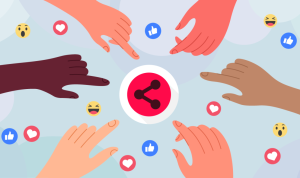
Platforms like Facebook, Twitter, and LinkedIn enable individuals to connect and share information widely. However, the lack of face-to-face interaction can sometimes result in misunderstandings or a lack of depth in conversations.
3. Virtual Meetings
The rise of remote work has led to an increase in virtual meetings. While they facilitate collaboration across distances, technical issues and the absence of physical presence can hinder effective communication.
4. Digital Etiquette
As communication increasingly moves online, understanding digital etiquette is crucial. This includes being respectful in emails, avoiding all caps (which can be interpreted as shouting), and being mindful of tone in written communication. ConclusionEffective communication is a vital skill that impacts every aspect of our lives. By understanding its importance, forms, and barriers, and by actively working to improve our communication skills, we can foster better relationships, enhance collaboration, and navigate conflicts more successfully.
In a world where technology continues to reshape how we interact, being adaptable and mindful of our communication methods is more important than ever. Ultimately, the goal is to create a more connected and understanding world through the power of words and actions.
Frequently Asked Questions: Technology That Became A Viral Symbol Of Status
What are some examples of technology that symbolize status?
Examples include luxury smartphones, premium laptops, and high-end electric vehicles, all of which signal wealth and taste.
Why do people associate certain technologies with social status?
People often associate technology with status because it reflects access to resources, innovation, and the ability to stay current with trends.
How has social media influenced the perception of technology as a status symbol?
Social media amplifies the visibility of status symbols, showcasing individuals who own the latest tech, thus creating aspirational benchmarks for others.
Is owning the latest technology always a sign of status?
Not necessarily; it can also depend on the context and the individual’s social circle, as some may prioritize functionality over brand prestige.
What role does marketing play in establishing technology as a status symbol?
Marketing campaigns often position tech products as exclusive or luxury items, influencing perceptions and driving the desire to own them as status symbols.