


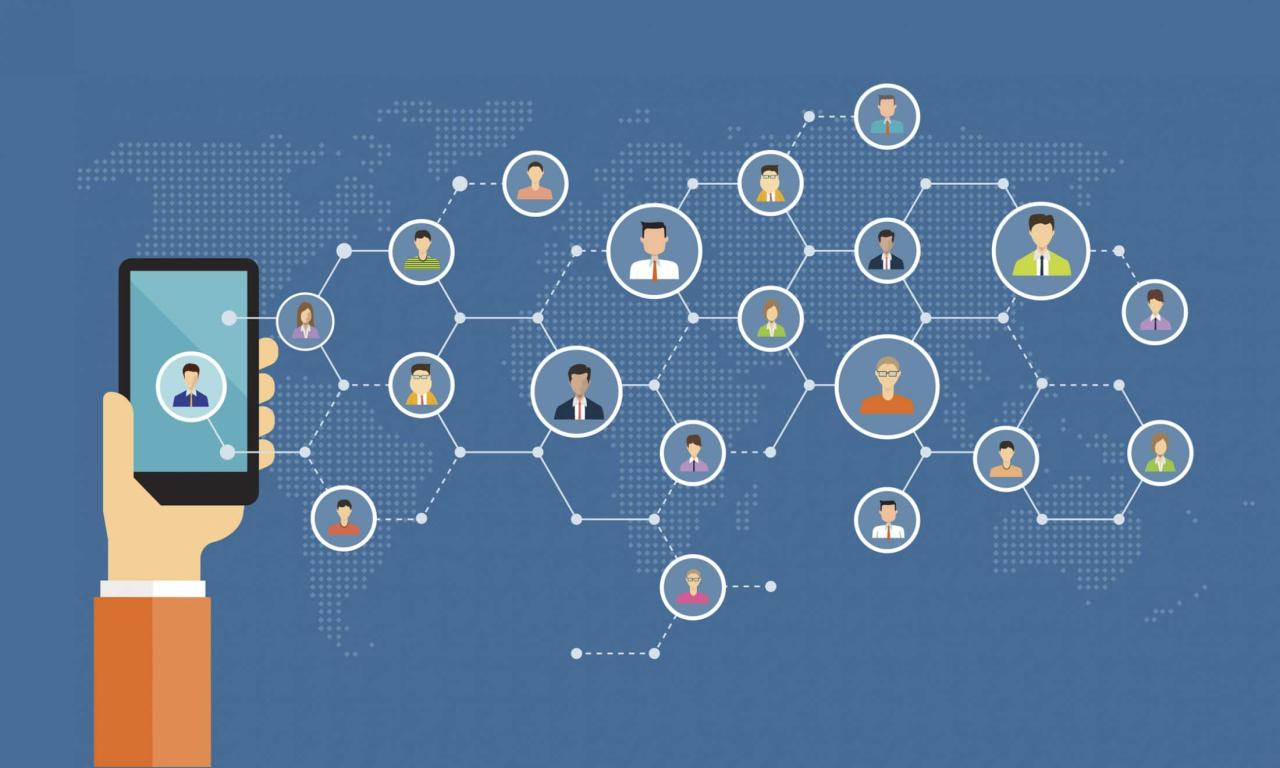
Viral Digital Platforms Transforming Business Globally showcases the revolutionary impact that digital platforms have on businesses around the world. As technology continues to advance, these platforms have become crucial in reshaping how companies operate, connect with customers, and drive innovation. From social media to e-commerce, the digital landscape is evolving rapidly, presenting both opportunities and challenges for businesses aiming to thrive in a competitive market.
The rise of digital platforms has not only transformed traditional business models but also created a dynamic environment where brands can engage with consumers more effectively than ever before. Understanding the nuances of this transformation is essential for anyone keen on navigating this ever-changing business paradigm.

In today’s fast-paced world, the significance of effective communication cannot be understated. Whether in personal relationships, professional environments, or even casual interactions, the way we communicate plays a vital role in shaping our experiences and outcomes. In this article, we will explore various facets of communication, including its importance, types, barriers, and effective strategies to enhance communication skills.### Understanding CommunicationAt its core, communication is the process of exchanging information, ideas, thoughts, and feelings between individuals or groups.
It can occur through various channels such as verbal, non-verbal, written, and digital mediums. The essence of communication lies in its ability to bridge gaps, facilitate understanding, and foster connections among people.### The Importance of CommunicationEffective communication is crucial for numerous reasons:
1. Building Relationships
Communication forms the foundation of any relationship. It helps individuals connect, understand each other’s emotions, and develop trust and respect.
2. Facilitating Collaboration
In professional settings, clear communication is essential for teamwork. It ensures that all team members are on the same page, leading to enhanced productivity and successful project outcomes.
3. Conflict Resolution
Misunderstandings and conflicts are inevitable in any relationship. However, effective communication can help resolve disputes and prevent escalation by promoting open dialogue and understanding.
4. Influencing and Persuasion
Whether in marketing, leadership, or everyday conversations, the ability to communicate persuasively is a valuable skill. It allows individuals to convey their ideas effectively and influence others.
5. Enhancing Personal Development
Good communication skills enable individuals to express themselves, ask for help, and seek feedback, which contributes to personal growth and development.### Types of CommunicationCommunication can be categorized into several types, each serving different purposes and contexts:
1. Verbal Communication
This involves spoken words and is the most common form of communication. It includes face-to-face conversations, phone calls, and video conferencing.
2. Non-verbal Communication
Body language, facial expressions, gestures, and eye contact fall under this category. Non-verbal cues can often convey more meaning than words alone.
3. Written Communication
This includes emails, reports, memos, and text messages. Written communication allows for documentation and is crucial for conveying information that needs to be referenced later.
4. Visual Communication
The use of visual aids such as charts, graphs, and images to convey information effectively. Visual communication can enhance understanding and retention of information.
5. Digital Communication
In the modern age, digital platforms play a significant role in communication. Social media, instant messaging, and video calls have transformed how we interact with others.### Barriers to Effective CommunicationDespite the best intentions, various barriers can hinder effective communication:
1. Language Differences
Miscommunication can occur due to differences in language proficiency or jargon that is not understood by all parties involved.
2. Cultural Differences
Cultural backgrounds influence communication styles and interpretations. What is acceptable in one culture may be offensive in another.
3. Emotional Barriers
Emotions such as anger, fear, or anxiety can cloud judgment and impede effective communication. It is essential to manage emotions to ensure clear exchanges.
4. Physical Barriers
Environmental factors such as noise, distance, and interruptions can disrupt communication flow.
5. Perceptual Barriers
Differences in perception can lead to misunderstandings. Each individual’s experiences shape how they interpret messages.### Strategies for Effective CommunicationTo enhance communication skills, consider implementing the following strategies:
1. Active Listening
Focus on understanding what the speaker is saying without formulating a response in your mind. Show empathy and validate their feelings.
2. Be Clear and Concise
Avoid ambiguity by using clear and straightforward language. Get to the point and avoid unnecessary jargon.
3. Ask Questions
Clarify any doubts by asking questions. This demonstrates engagement and ensures mutual understanding.
4. Practice Non-verbal Communication
Be mindful of your body language and facial expressions. Maintain eye contact and exhibit open body language to convey confidence and receptiveness.
5. Provide Feedback
Constructive feedback fosters improvement. Whether giving or receiving feedback, approach it with an open mind and a willingness to learn.
6. Adapt Your Communication Style
Different situations and audiences may require different communication styles. Tailor your approach to suit the context and the individuals involved.
7. Utilize Technology Wisely
Leverage digital tools and platforms to enhance communication, but do not rely solely on them. Personal interactions are equally important.### ConclusionIn summary, communication is an invaluable skill that impacts every aspect of our lives. By understanding its importance, types, barriers, and strategies for improvement, individuals can enhance their ability to connect with others effectively. Continuous practice and a willingness to adapt will lead to better communication, fostering stronger relationships and successful interactions in both personal and professional spheres.
As we navigate the complexities of communication, let us remember that the goal is not just to speak but to understand and be understood, creating a harmonious exchange of ideas and emotions.
Q&A: Viral Digital Platforms Transforming Business Globally
What are viral digital platforms?
Viral digital platforms are online systems that enable rapid sharing and widespread adoption of content, tools, or services, often leading to significant shifts in business practices.
How can businesses leverage these platforms?
Businesses can utilize viral digital platforms to enhance brand visibility, engage customers directly, and drive sales through targeted marketing strategies.
What challenges do companies face with digital platforms?
Companies often encounter challenges such as managing online reputation, dealing with competition, and ensuring data security while utilizing digital platforms.
Are traditional marketing strategies still relevant?
Yes, while digital platforms are crucial, traditional marketing strategies can complement online efforts, creating a well-rounded approach to reach diverse audiences.
What role does data analysis play in this transformation?
Data analysis is vital as it helps businesses understand consumer behavior, tailor their offerings, and make informed decisions to optimize their presence on digital platforms.