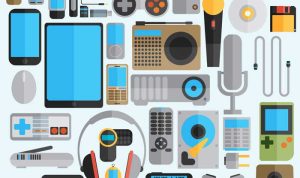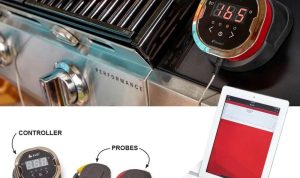


Viral Stories of Unique DIY Gadgets Around the World dive into the fascinating realm of innovative creations that have captured the imagination of tinkerers and enthusiasts alike. From clever contraptions that solve everyday problems to whimsical gadgets that showcase extraordinary ingenuity, the world of DIY is brimming with stories that inspire and entertain. These viral tales not only highlight the creativity of individuals around the globe but also foster a sense of community among creators who share their projects online.
As we explore these stories, you’ll discover how ordinary people have transformed their ideas into viral sensations, often with minimal resources and a lot of passion. The DIY spirit showcases the boundless potential of human creativity, proving that with a bit of imagination and determination, anyone can bring their unique vision to life.

In today’s fast-paced world, the importance of effective communication can hardly be overstated. Whether it’s in our personal lives or professional endeavors, the ability to convey thoughts clearly and persuasively is a skill that can lead to success and meaningful relationships. This article delves into the nuances of communication, exploring its various forms, the barriers we face, and strategies to enhance our interactions.
Communication is not just about exchanging words; it encompasses a wide range of signals, including non-verbal cues, tone of voice, and even silence. Each of these elements plays a crucial role in delivering our messages accurately. For instance, a simple smile can convey friendliness, while a furrowed brow may indicate concern or confusion. Thus, it’s essential to be aware of both our verbal and non-verbal signals when engaging with others.One of the primary forms of communication is verbal communication, which can be further divided into spoken and written forms.
Spoken communication, such as conversations, presentations, or speeches, relies heavily on our ability to articulate thoughts clearly and engage our audience. This requires not just vocabulary but also an understanding of the context and the ability to adjust our message to our audience’s preferences and comprehension level.On the other hand, written communication includes emails, reports, and social media posts. This form of communication allows for more time to reflect on our words, but it also poses its challenges, including the risk of misinterpretation.
Without the cues present in spoken dialogue, the reader may not fully grasp the intended meaning, leading to possible misunderstandings. Therefore, clarity and conciseness are paramount in written communication.Non-verbal communication, which includes gestures, facial expressions, and body language, is another integral part of our interactions. Research has shown that a significant portion of our communication is non-verbal, often conveying emotions and attitudes more effectively than words alone.
For example, crossing arms may signal defensiveness, while open body language often conveys receptiveness and friendliness. Being attuned to these non-verbal signals can enhance our understanding of others and improve our interactions.However, effective communication is not always straightforward. Numerous barriers can impede our ability to communicate effectively. These barriers can be categorized into physical, psychological, and emotional factors. Physical barriers, such as distance and noise, can hinder clear communication, while psychological barriers, like preconceived notions or biases, can distort our perception of the message.
Emotional barriers, including anger or anxiety, can also obstruct our ability to convey or receive messages accurately.To overcome these barriers, it is essential to cultivate active listening skills. Active listening involves fully concentrating on the speaker, understanding their message, responding thoughtfully, and remembering key points. It goes beyond merely hearing the words; it requires a genuine effort to grasp the underlying meaning and emotions being expressed.
By practicing active listening, we can foster an environment of respect and understanding, paving the way for more effective communication.Another effective strategy is to be mindful of our communication styles. Different individuals have varying preferences for how they like to communicate. Some may prefer direct and concise interactions, while others may value more detailed and nuanced discussions. Being adaptable in our communication style allows us to connect better with different individuals and ensures that our messages are received as intended.Moreover, fostering an open and honest atmosphere can significantly improve communication.
Encouraging feedback and creating an environment where individuals feel comfortable expressing their thoughts can reduce misunderstandings and promote collaboration. When team members feel valued and heard, they are more likely to contribute positively to discussions and share innovative ideas.In a professional setting, effective communication is crucial for team dynamics and overall success. Clear communication fosters collaboration, reduces errors, and enhances productivity.
Regular check-ins, clear expectations, and constructive feedback can create a culture of openness where employees feel empowered to share their insights and concerns.In personal relationships, effective communication is equally vital. It lays the foundation for trust and intimacy. Couples who communicate openly are often better equipped to navigate challenges and conflicts. Honest discussions about feelings, needs, and aspirations can strengthen bonds and promote a deeper understanding of one another.Furthermore, in our increasingly digital world, being adept at communicating through technology has become essential.
Emails, instant messaging, and video calls are now commonplace forms of interaction. It’s important to be aware of the nuances of digital communication, such as tone and formality, which can vary significantly from face-to-face interactions. To effectively communicate in a digital landscape, one must be succinct yet thorough. Crafting clear subject lines and using appropriate salutations can significantly enhance the clarity of digital correspondence.
Additionally, using emojis or gifs judiciously can help convey tone and emotion, bridging the gap created by the absence of physical presence.Continuous improvement in communication skills is a journey that requires practice and reflection. Seeking feedback from trusted friends or colleagues can provide valuable insights into our communication style and areas for improvement. Engaging in public speaking, joining discussion groups, or participating in workshops can also boost confidence and proficiency.In conclusion, effective communication is a multifaceted skill that encompasses verbal, non-verbal, and written forms.
By understanding the various dimensions of communication and recognizing the barriers we face, we can develop strategies to enhance our interactions. Whether in professional settings or personal relationships, honing our communication skills can lead to greater understanding, stronger connections, and overall success. As we navigate our daily lives, let us strive to communicate with clarity, empathy, and openness, fostering a culture of respect and collaboration.
Expert Answers: Viral Stories Of Unique DIY Gadgets Around The World
What are some examples of unique DIY gadgets?
Examples include homemade solar-powered chargers, automated plant watering systems, and custom-built 3D printers.
How can I find more viral DIY gadget stories?
You can explore social media platforms, DIY blogs, and YouTube channels dedicated to maker culture for the latest trends and projects.
Are DIY gadgets safe to use?
While many DIY gadgets can be safe, it’s important to follow instructions carefully and use appropriate materials to ensure safety.
Can I create my own DIY gadget without experience?
Absolutely! Many DIY projects are beginner-friendly, and there are countless resources available that guide you through the process.

What materials do I need to start making DIY gadgets?
Common materials include basic tools, electronics components, recycled items, and crafting supplies, depending on your project.